Switzerland's Licensing Rules Shaping Bonus Mechanics and Game Variety on Secure Mobile Platforms
Finley Vogel · Aug 28, 2026
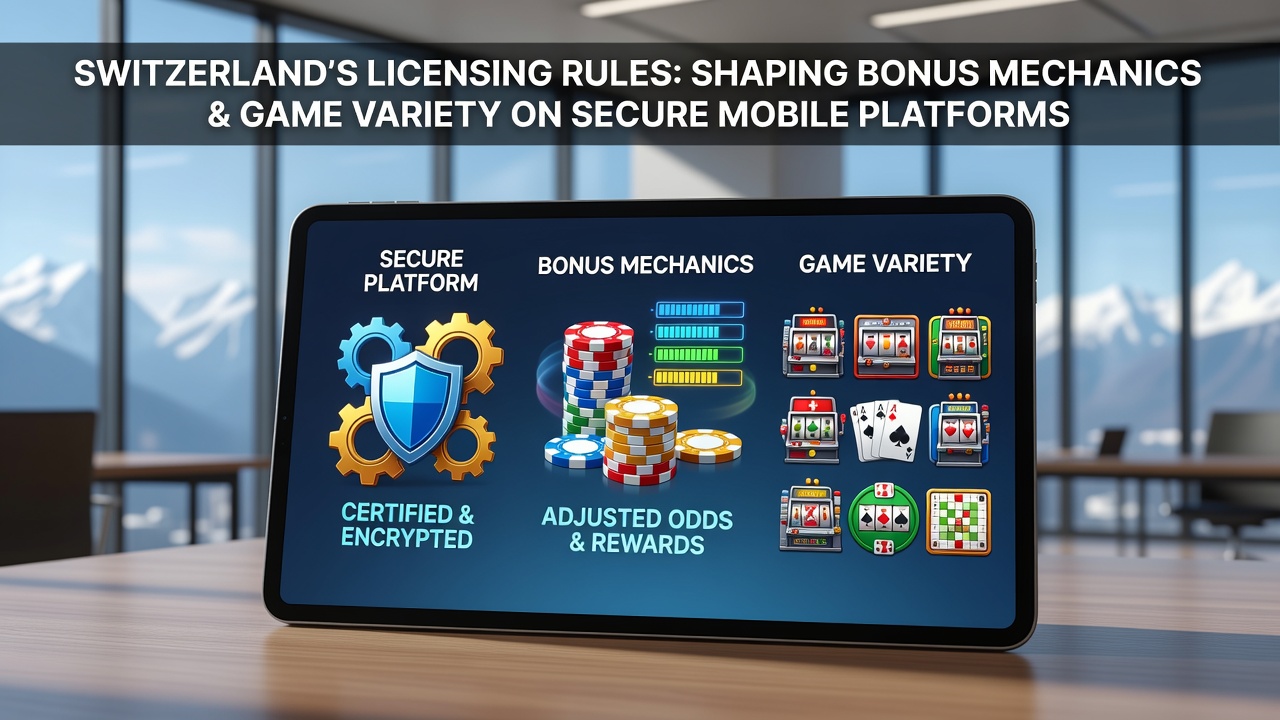
Switzerland's Licensing Rules Shaping Bonus Mechanics and Game Variety on Secure Mobile Platforms
Switzerland maintains a tightly controlled licensing system through the Federal Gaming Board that directly determines how operators structure bonuses on mobile platforms and which games they can offer to Swiss players, and these rules have evolved steadily through 2026 with fresh compliance checks reported in August of that year. Operators must secure cantonal and federal approvals before launching any bonus feature, which means promotional offers undergo review for wagering requirements, maximum win caps, and eligibility criteria that align with responsible gaming standards enforced nationwide.
Core Licensing Requirements for Mobile Operators
Applicants seeking a Swiss license submit detailed documentation on platform security protocols, payment encryption methods, and player verification systems before receiving authorization to operate, while the process also demands proof that all bonus mechanics prevent excessive play through built-in time limits and deposit caps. Data from regulatory filings shows that approved operators in 2026 incorporated these controls into their mobile apps at the development stage rather than retrofitting them later, which streamlines audits and reduces revision cycles during renewal periods.
Game variety faces similar constraints because licensed titles must carry certification from recognized testing labs that verify fairness and random number generation integrity, and mobile versions require additional compatibility checks to ensure consistent performance across devices. Observers note that this dual certification path has led many providers to expand their catalogs with certified Swiss-themed slots and table games that appeal to local preferences while meeting technical benchmarks set by the authorities.
Bonus Mechanics Under Regulatory Scrutiny
Bonus structures on secure mobile platforms reflect direct input from licensing conditions that cap welcome offers and restrict recurring promotions to maintain player protection priorities, and these limits appear in operator terms as standardized wagering multiples tied to average bet sizes. Research indicates that such parameters emerged from collaborative guidelines issued by federal bodies and industry associations, creating a framework where free spins and deposit matches undergo pre-approval to confirm they do not encourage rapid fund depletion. As of August 2026, several operators updated their mobile interfaces to display bonus conditions more transparently following new disclosure mandates that require clear pop-up explanations before any promotion activates.
Operators who integrate these rules early often report smoother approval timelines because the licensing body evaluates both the mathematical model of each bonus and its implementation within the app's user flow, and this integrated review process has become standard practice across the sector. Those who've studied recent license grants find that compliant bonus designs frequently incorporate loyalty tiers with gradual unlock features instead of large upfront rewards, which aligns with broader efforts to extend session times responsibly rather than concentrating activity in short bursts.
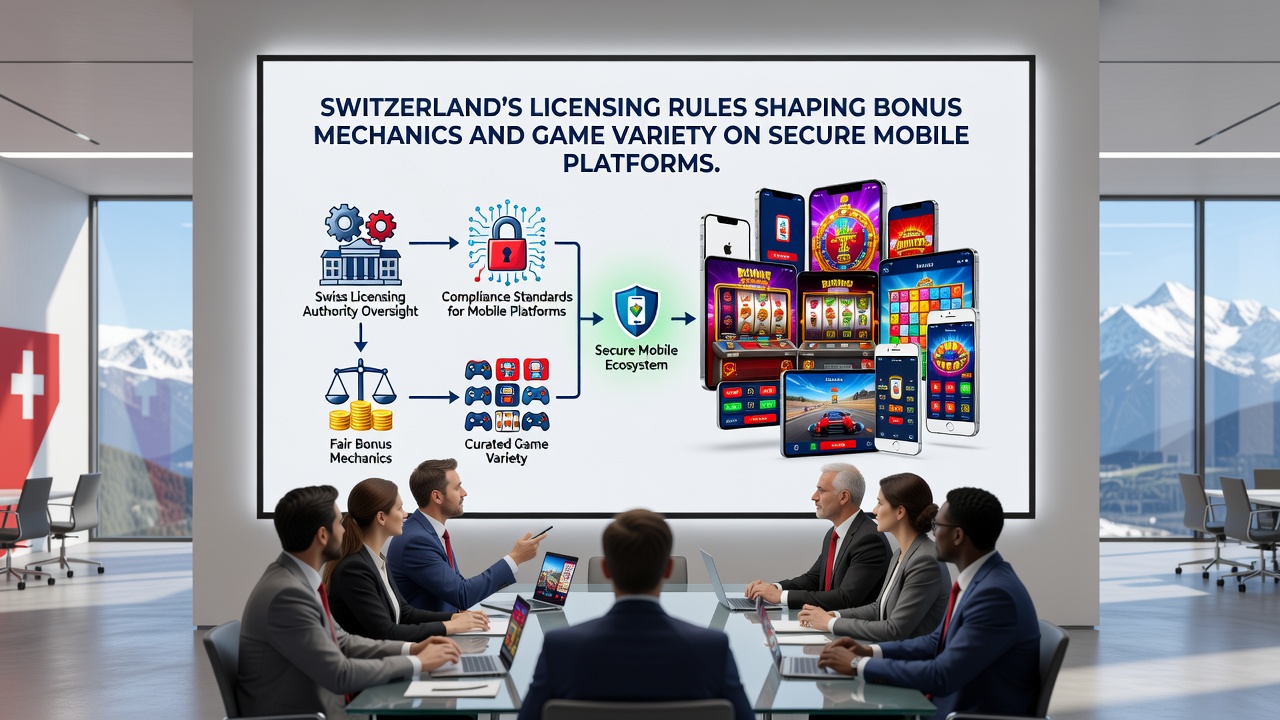
Game Variety and Platform Security Intersections
Secure mobile platforms must host only games that pass both technical and content reviews, which narrows available options to titles certified for Swiss markets while encouraging developers to create localized variants that incorporate regional symbols and narratives, and this approach has expanded the presence of certain live dealer formats optimized for smaller screens. Figures from industry reports reveal steady growth in certified mobile slots and instant-win games through mid-2026, driven by operators who prioritize titles already vetted for low-latency performance and strong encryption during real-money transactions.
External standards from bodies such as the International Association of Gaming Regulators influence Swiss practices indirectly through shared testing protocols, yet local rules add layers that emphasize data localization and audit trails specific to Swiss servers. Another reference point appears in analyses from the University of Geneva research publications that track how certification requirements shape content diversity without compromising platform integrity across different device types.
Operators adapt by maintaining modular game libraries that allow quick swaps when new certifications arrive, and this flexibility supports ongoing compliance when rules tighten around features like auto-play functions or multiplier caps on mobile slots. People who track these developments observe that variety expands most readily in categories already aligned with responsible play metrics, such as games featuring built-in session reminders and loss-limit prompts that integrate directly with the licensed payment systems.
Conclusion
Switzerland's licensing framework continues to guide bonus mechanics and game selections on secure mobile platforms through structured approvals that prioritize security and regulatory alignment, and updates recorded in August 2026 underscore the ongoing refinement of these controls. The result appears in standardized practices where operators deliver varied yet certified content while embedding bonus features that meet federal expectations for player safeguards, creating a consistent environment for mobile gaming that balances commercial interests with oversight requirements.